

Pharmacy is much more than studying medicines from textbooks. It is a healthcare profession that combines scientific knowledge with practical skills to ensure the safe development, preparation, and use of medicines. While classroom learning provides the theoretical foundation, practical training helps students understand how pharmaceutical concepts work in real-life situations. This is why practical learning has become one of the most important aspects of modern pharmacy education.
For students planning to pursue a B Pharma course or D Pharma course, choosing a college that emphasizes hands-on laboratory training can make a significant difference in their academic journey and future career.
The Importance of Practical Learning in Pharmacy
The pharmaceutical industry is constantly evolving with new technologies, research methods, and healthcare practices. Employers today expect pharmacy graduates to possess not only theoretical knowledge but also the ability to apply that knowledge confidently in professional settings.
Practical learning allows students to:
- Understand pharmaceutical concepts through real experiments.
- Develop laboratory and analytical skills.
- Learn proper handling of scientific instruments.
- Improve accuracy, observation, and problem-solving abilities.
- Gain confidence before entering the healthcare and pharmaceutical industries.
These practical experiences prepare students to perform effectively in hospitals, pharmaceutical companies, research laboratories, and healthcare organizations.

Building Industry-Ready Skills
A pharmacy graduate is expected to work with precision and responsibility. Practical sessions help students develop essential professional skills that cannot be learned from books alone.
Some of these skills include:
- Laboratory techniques and scientific experimentation
- Drug formulation and dosage preparation
- Quality testing and analytical procedures
- Research and documentation
- Teamwork and communication
- Critical thinking anddecision-making
- Good Laboratory Practices (GLP)
These competencies are highly valued across the pharmaceutical industry and improve students’ career readiness.
Learning Through Modern Pharmacy Laboratories
Modern pharmacy laboratories provide students with an environment where theory meets practice. Students get opportunities to understand pharmaceutical formulations, analytical testing, medicinal chemistry, pharmacology, pharmaceutics, and pharmaceutical analysis through guided practical sessions.
Working with laboratory equipment helps students become familiar with professional procedures and scientific standards followed in the industry. This practical exposure builds confidence and prepares them for future responsibilities.
Why Practical Exposure Matters for Career Growth
A pharmacy degree opens the door to a wide range of career opportunities, but practical knowledge often becomes the factor that distinguishes one candidate from another.
Graduates with strong practical skills can explore careers in:
- Pharmaceutical manufacturing
- Clinical research
- Quality assurance
- Quality control
- Regulatory affairs
- Hospital pharmacy
- Community pharmacy
- Drug safety andpharmacovigilance
- Pharmaceutical marketing
- Research and development
Employers prefer candidates who can quickly adapt to laboratory environments and understand professional workflows. Practical learning provides this advantage.
Practical Learning at Orlean College of Pharmacy
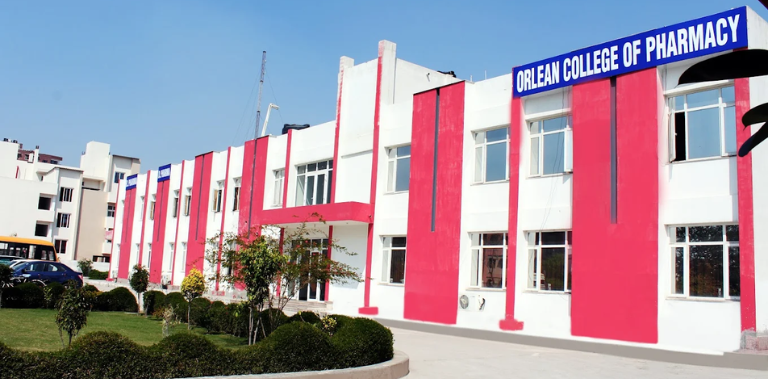
At Orlean College of Pharmacy, Greater Noida, practical learning is an integral part of the educational experience. The college focuses on creating an environment where students gain both academic knowledge and hands-on experience through modern pharmacy laboratories, experienced faculty, and industry-oriented teaching methods.
Students are encouraged to participate in laboratory practicals, scientific experiments, pharmaceutical analysis, and research-based learning that help them understand the real-world applications of pharmacy. This balanced approach enables students to develop technical expertise while strengthening their analytical and professional skills.
Whether students choose a B Pharma or D Pharma program, the curriculum is designed to support comprehensive learning and prepare them for successful careers in the pharmaceutical and healthcare sectors.
Choosing the Right Pharmacy College
Selecting the right college is one of the most important decisions for aspiring pharmacy students. While evaluating colleges, students should consider:
- Well-equipped pharmacy laboratories
- Experienced and qualified faculty
- Industry-oriented curriculum
- Practical training opportunities
- Research exposure
- Academic support
- Career guidance and placement assistance
A college that prioritizes practical learning helps students become confident professionals who are ready for industry challenges.
Practical learning is the foundation of quality pharmacy education. It transforms theoretical knowledge into real-world skills, improves confidence, and prepares students for rewarding careers in the pharmaceutical and healthcare industries.
If you are looking for a B Pharma College in Greater Noida or a D Pharma College in Greater Noida, choosing an institution that emphasizes laboratory training and industry-focused education is essential.
Orlean College of Pharmacy is committed to providing students with quality pharmacy education through modern infrastructure, practical learning, experienced faculty, and a student-centric approach. With admissions now open, this is the ideal time to begin your journey toward a successful career in pharmaceutical sciences and healthcare.