

Healthcare education is not only obtaining a degree; it is also preparing oneself for a career that integrates knowledge, responsibility, and practical skills. The students who are going to healthcare professions will be in the medical settings where their skills like precision, morals, and flexibility will be heavily stressed. Properly designed healthcare courses make sure that the students are not only strong in theory but also self-assured and ready to take on the job when they enter the industry.
Creating the Academic Foundation for a Healthcare Career
The strong academic foundation is the beginning of every healthcare professional’s success. The healthcare courses aim at giving students the very basics of the industry in terms of scientific principles and medical concepts.
Key academic strengths developed during healthcare studies include:
- In-depth knowledge of human anatomy and physiology
- Understanding of diseases, treatments, and medicines
- Awareness of healthcare ethics and legal responsibilities
- Analytical thinking and problem-solving skills
This solid theoretical grounding allows the students to know the reasons behind the phenomena which is very important when they are in real-life situations in hospitals, labs, or pharmacies.
Practical Learning That Builds Confidence
Practically speaking, healthcare is a profession that requires physical involvement, and therefore education in this area is not any different. To achieve the objective of the students being able to efficiently apply their theoretical knowledge the practical training that is conducted in the schools is part of the curriculum.
Students gain practical exposure through:
- Laboratory experiments and demonstrations
- Handling equipment and instruments
- Learning safety procedures and quality standards
- Simulated real-world scenarios
In areas with well-developed educational ecosystems, a great number of students are looking for recognized Pharmacy Colleges in Delhi NCR, where practical exposure is considered as the principal aspect of education. This method not only eliminates hesitation but also empowers the students with confidence before entering the real working environment.
Developing Professional Skills Beyond Books
Success in the medical field is not just a matter of technical proficiency. Experts need to be able to communicate well with patients, fellow workers, and bosses. The training of health professionals places importance on the acquisition of interpersonal skills right along with scholarly knowledge.
Important professional skills developed include:
- Clear and compassionate communication
- Teamwork and collaboration
- Time management and discipline
- Ethical decision-making
By means of giving talks, holding discussions in groups, and using interactive methods, the students are enabled to acquire the skills of clear self-expression and dealing with professional duties in an adult manner.
Industry Exposure Through Internships and Training
The transition from schooling to working world requires getting a taste of the real industry first. Internships and training programs give students the chance to work in professional environments before they would actually become full-timers.
These experiences help students:
- Understand daily workplace routines
- Observe experienced professionals at work
- Learn industry standards and expectations
- Build confidence and practical understanding
Higher secondary level learners often choose to go to D. Pharma Colleges in Greater Noida, where the early professional exposure makes them adaptable to job roles. The students are then sure of not being taken unawares by the employer’s expectations post their studies.
Discovering Multiple Career Paths in Healthcare
Healthcare studies provide a wide range of career opportunities. The majority of students have a weak understanding of the options at the start of their education, but through systematic academic guidance, the students are able to see many alternatives.
Healthcare graduates can work in:
- Hospitals and clinics
- Retail and hospital pharmacies
- Pharmaceutical manufacturing units
- Research and quality control
- Healthcare administration and sales
With the help of career counseling and academic mentoring, students are able to pinpoint their areas of expertise and select the routes that fit their profiles and interests.
Preparing for Real-World Challenges
The healthcare industry is changing quickly, and new technologies, laws, and treatments are coming up frequently. Training in this area prepares learners to be flexible with changes and to acquire new skills during their entire working life.
Students are prepared for real-world challenges such as:
- Working under pressure and maintaining accuracy
- Following strict safety and ethical guidelines
- Managing responsibilities that directly affect patient health
- Adapting to new technologies and systems
This preparation ensures that graduates enter the workforce with realistic expectations and mental readiness.
How Education Transforms Into Employment
The primary worth of healthcare education is its power to turn students into professionals. Healthcare studies serve as a connector between lecture and career, by merging theory, practical training, professional skill development, and exposure to the industry.
The holders of the degree come out of the university with:
- Confidence to handle professional responsibilities
- Practical experience that reduces training time at workplaces
- Clear understanding of their role in the healthcare system
- A professional mindset required for long-term success
Institutions that focus on holistic development play a crucial role in this transformation.
Where Future Pharmacy Professionals Are Shaped
Education That Goes Beyond the Classroom
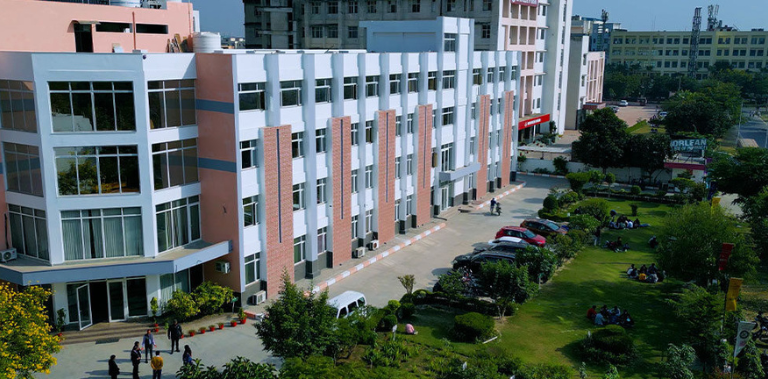
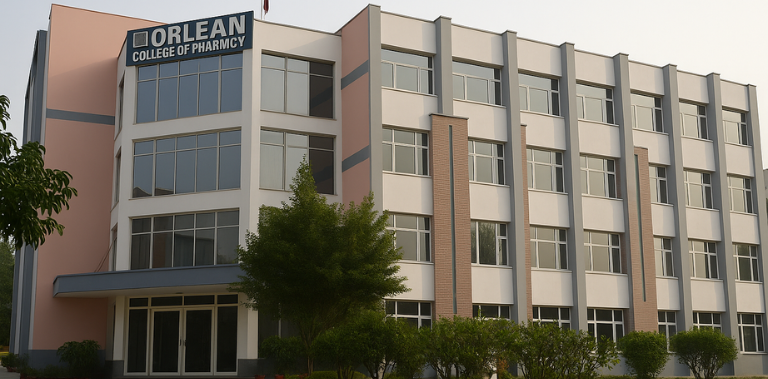
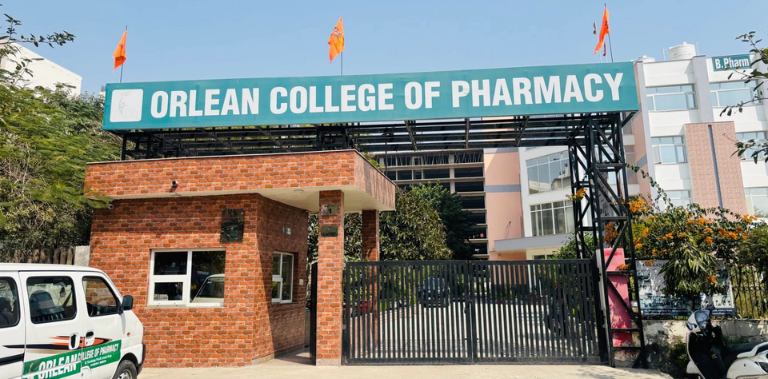
Orlean College of Pharmacy, which is regarded as the best pharmacy college in UP, has a mission of providing an education that combines strong academic foundations with practical, industry-relevant learning. The program is structured in a way that the students get a very clear idea of the core pharmacy concepts, and at the same time, they are encouraged to develop the habit of analytical thinking and the sense of ethical responsibility. The students, under the supervision of the able faculty and using the modern teaching methods, acquire knowledge that is useful in the real healthcare and pharmaceutical settings.
Confidence, Skills, and Career Readiness
The educational institution places great importance on the practical training that takes place in the laboratories equipped with the latest technology, during the practical sessions, and through the skill-development activities. Besides, students are given constant academic assistance and career guidance which is tailored to their needs and that helps them to recognize the right professional areas for them. This mixed strategy guarantees that the professionals take the place in the health care sector with the self-esteem, the ability, and the willingness to create prosperous and significant careers that are needed.
Your Journey from Student to Healthcare Professional
The education in healthcare provides a lot of benefits to students such as knowledge, self-confidence, and a sense of duty which will help them to survive in the world of professionals. Along with the study of strong theory, practical training, and career advice, students can get very good chances through their education. By giving priority to excellent learning and student development, Orlean College of Pharmacy keeps on helping the coming healthcare professionals to establish secure and paid job careers.