

The pharmaceutical industry depends on accuracy, scientific understanding and professionals who can turn knowledge into practical solutions. From checking the quality of medicines to supporting research and manufacturing processes, different roles require a combination of technical ability and professional skills. For students planning a career in this field, developing these abilities during college can be just as important as understanding pharmaceutical concepts.
Beyond Textbooks: The Value of Practical Knowledge
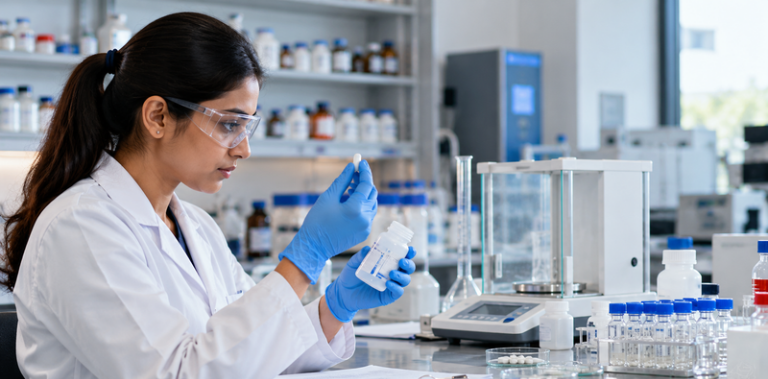
Pharmaceutical work often involves handling materials, following laboratory procedures, interpreting observations and maintaining accurate records. A student may understand a concept in class, but applying it correctly in a practical setting requires attention, practice and patience.
Laboratory sessions help students become familiar with pharmaceutical instruments, testing procedures and experimental methods. They also teach an important professional habit: following instructions carefully rather than making assumptions. These experiences can provide a useful foundation for careers in manufacturing, quality control, research and development, and pharmaceutical analysis.
When Small Errors Have Bigger Consequences
Accuracy is essential in the pharmaceutical field. Whether a professional is recording test results, measuring ingredients or reviewing product documentation, even a minor oversight can affect the reliability of the work.
Students can begin building this mindset during practical sessions and assignments. Recording observations properly, checking calculations and following standard operating procedures are habits worth developing early. Understanding why each step matters is just as important as memorising the procedure itself.
Learning to Interpret, Not Just Memorise
Pharmacy students encounter scientific data, experimental results and information about how medicines behave. The ability to interpret this information helps them understand problems rather than simply recall textbook answers.
Analytical thinking is useful when comparing results, identifying inconsistencies or considering why an experiment did not produce the expected outcome. It also supports further learning when students encounter unfamiliar formulations, technologies or pharmaceutical processes.
A graduate who asks relevant questions and approaches problems methodically can be better prepared for the practical demands of the workplace.
Communication Has a Place in Every Pharmacy Career
Pharmaceutical professionals work with colleagues from different departments, including production, quality assurance, research, sales and regulatory affairs. Clear communication helps teams exchange information and coordinate responsibilities.
Written communication matters too. Reports, laboratory records, presentations and technical documents must be understandable and accurate. Students can strengthen these abilities through presentations, group projects, assignments and discussions.
Professional communication also involves listening carefully, explaining scientific information in simple language when required, and accepting feedback constructively.
Understanding Quality, Safety and Responsibility
Pharmaceutical products must meet appropriate quality and safety requirements. For this reason, students should develop an understanding of Good Manufacturing Practices (GMP), Good Laboratory Practices (GLP), documentation procedures and the importance of following applicable standards.
These concepts connect classroom learning with the responsibilities found in pharmaceutical workplaces. Students should also recognise the importance of ethical conduct, data integrity, hygiene and laboratory safety.
A clear understanding of these principles can help graduates approach their responsibilities with greater awareness, although specific roles may require additional training and experience.
Technology Is Changing Pharmaceutical Work
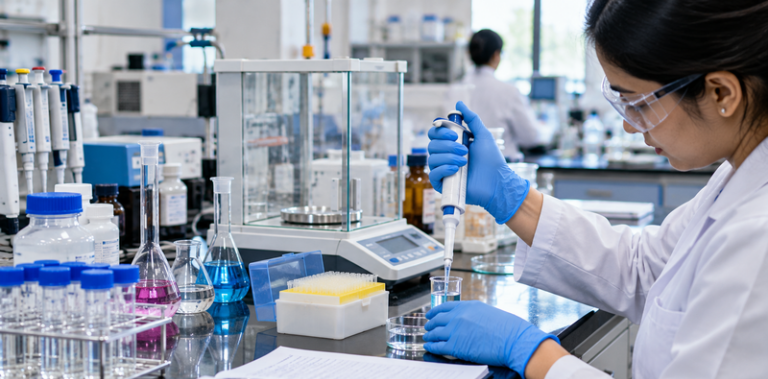
Digital tools are increasingly relevant to pharmaceutical operations, from maintaining records and analysing data to managing inventory and supporting research. Familiarity with spreadsheets, basic data handling and relevant digital systems can therefore be useful.
Students do not need to master every specialised software platform before graduating. Instead, they can focus on becoming comfortable with technology, learning new systems and understanding how digital tools support accuracy and efficiency.
What Students Can Do During Their B Pharma Course
Skill development does not have to wait until the final semester. Regular participation in laboratory work, academic projects, seminars and industry-oriented activities can help students build a stronger foundation over time.
Students can also read pharmaceutical industry updates, practise presenting scientific topics, improve their written English and seek internships or practical exposure where available. Keeping a record of projects, presentations and relevant training can help them explain their learning during interviews.
The aim is not to acquire every skill at once. Consistent improvement and a willingness to learn are more useful than simply listing skills on a résumé.
Building a Foundation at Orlean College of Pharmacy, Greater Noida
At Orlean College of Pharmacy, Greater Noida, students can pursue pharmaceutical education through the B Pharma programme, which runs for four years. The college emphasises interactive and industry-oriented teaching, project-based learning, regular assessments and personality development activities as part of its academic environment.
These learning experiences can support students as they develop scientific understanding, communication abilities and professional confidence. Students should also make active use of practical sessions, faculty guidance and academic projects to strengthen their understanding beyond classroom theory.

Preparing for the Opportunities Ahead
A B Pharma qualification can provide a foundation for exploring areas such as pharmaceutical production, quality control, quality assurance, regulatory affairs, research support and other pharmacy-related opportunities. The skills required will vary by role, and some positions may require further education, specialised training or relevant experience.
Ultimately, graduates can improve their readiness for the industry by combining subject knowledge with practical accuracy, analytical thinking, communication and a responsible approach to work. Developing these abilities throughout college can help them approach their next career step with a clearer understanding of what professional pharmaceutical work involves.